

Hungarian expert highly praised the reforms being implemented in Uzbekistan in the sphere of civil society.
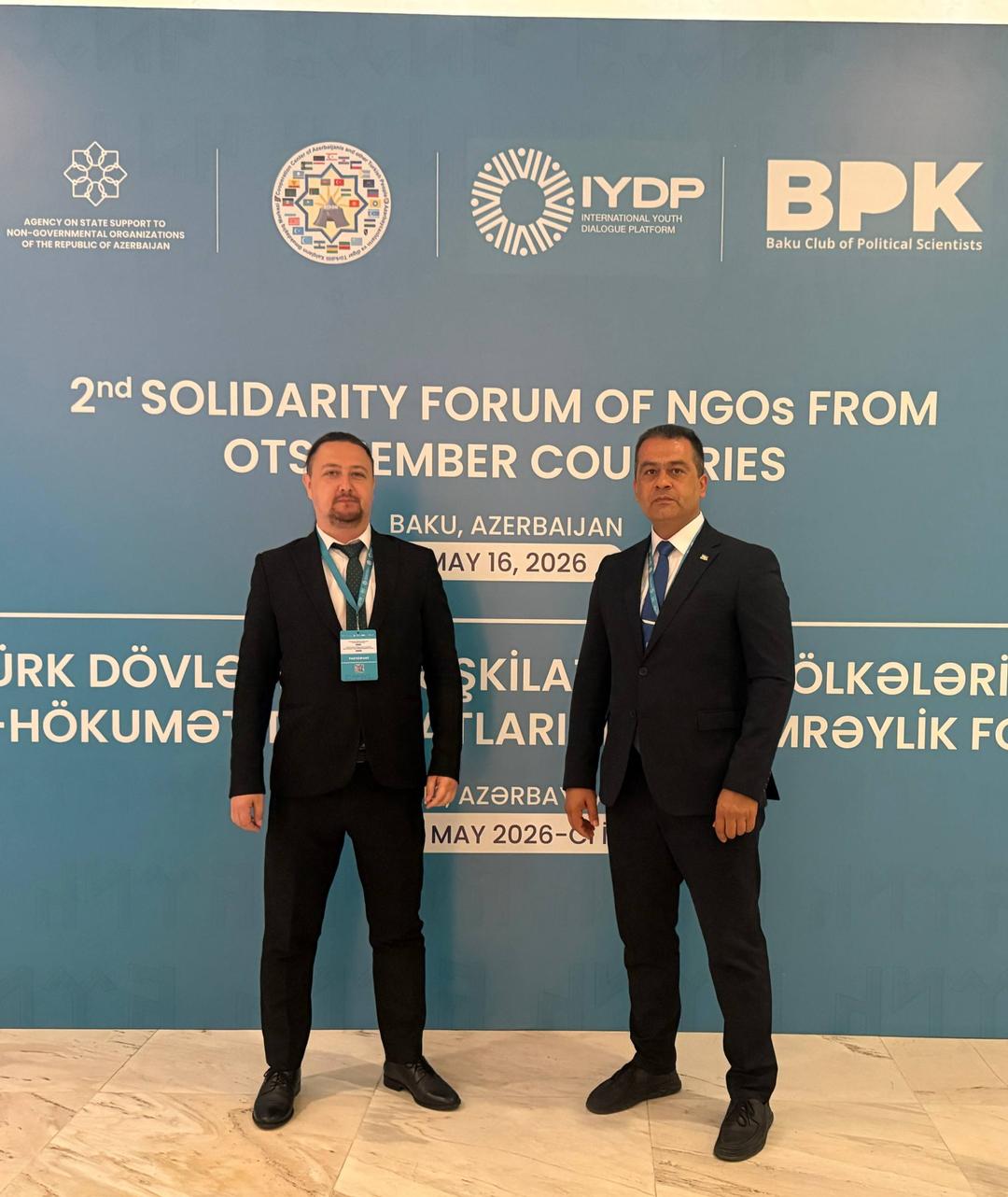
Sándor Seremet represents the Hungarian Institute of International Affairs (HIIA) — one of Hungary’s leading analytical centers specializing in foreign policy, geopolitics, and international security issues.
Within the framework of the Forum of NGOs of the Turkic States, the representative of the Hungarian delegation noted that cooperation between NGOs and state institutions in Uzbekistan has reached a qualitatively new stage in recent years.
According to the expert, the modern legislative framework established in Uzbekistan has created an important legal foundation not only for supporting NGO activities, but also for developing constructive cooperation between the state and civil society.
Particular attention was given to the growing involvement of NGOs and the strengthening of public dialogue within the framework of the “Uzbekistan–2030” Strategy, which has been positively assessed by international experts. In his opinion, relations within the “state – NGOs – society” model in Uzbekistan are increasingly based not on criticism or formal support, but on the principles of practical partnership aimed at serving the interests of the country and its citizens.
The expert also emphasized that Uzbekistan, as one of the most dynamically developing countries in Central Asia, is forming important experience in the fields of public participation, local governance, and open dialogue. According to him, if the country maintains the current pace of reforms, cooperation between civil society and state institutions in Uzbekistan could become an important model for the wider region.
In addition, prospects for cooperation between Hungary and Uzbekistan in the fields of think tanks, public diplomacy, and civil society institutions were highly appreciated. The expert noted that analytical centers of the two countries could develop joint research and expert platforms on issues related to energy security, logistics, water resources, civil society, and regional stability.